

Confessions of a CMO was never intended to be a static piece of research. From the outset, it was designed as an ongoing lens into the realities of the role, one that could evolve alongside the pressures, expectations, and contradictions shaping modern marketing leadership.
Five months after its release, that evolution is well underway.
What’s become clear is that the value of the work isn’t just in the findings themselves, but in what they’ve unlocked: a more open, continuous dialogue among CMOs who rarely have the opportunity to speak candidly with one another.
From Insight to Interaction
Since launching the report, the conversation has increasingly moved beyond the page.
At SXSW, that shift was particularly visible. The research featured both as part of an official speaking session and through a smaller, more intimate gathering of senior marketing leaders.
While the stage provided a platform to share key themes, it was the off-stage moments that allowed for truly confessional conversations. In those smaller settings, the findings weren’t just presented; they were tested. Expanded. Sometimes challenged. More often, affirmed.
One attendee described it as “what SXSW has been missing,” a reflection not just on the content itself, but on the format: fewer performative sessions, more space for honest exchange.
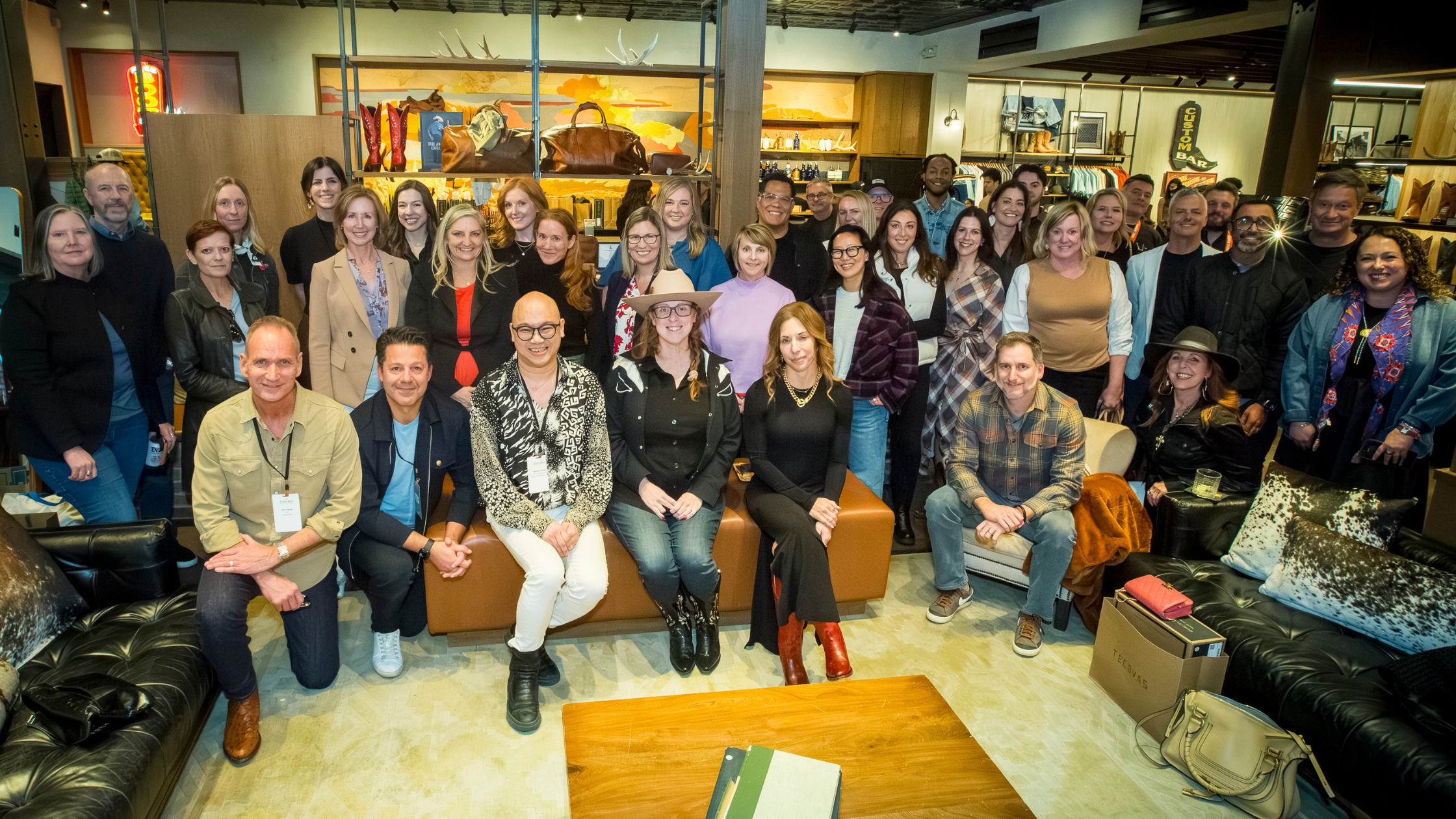
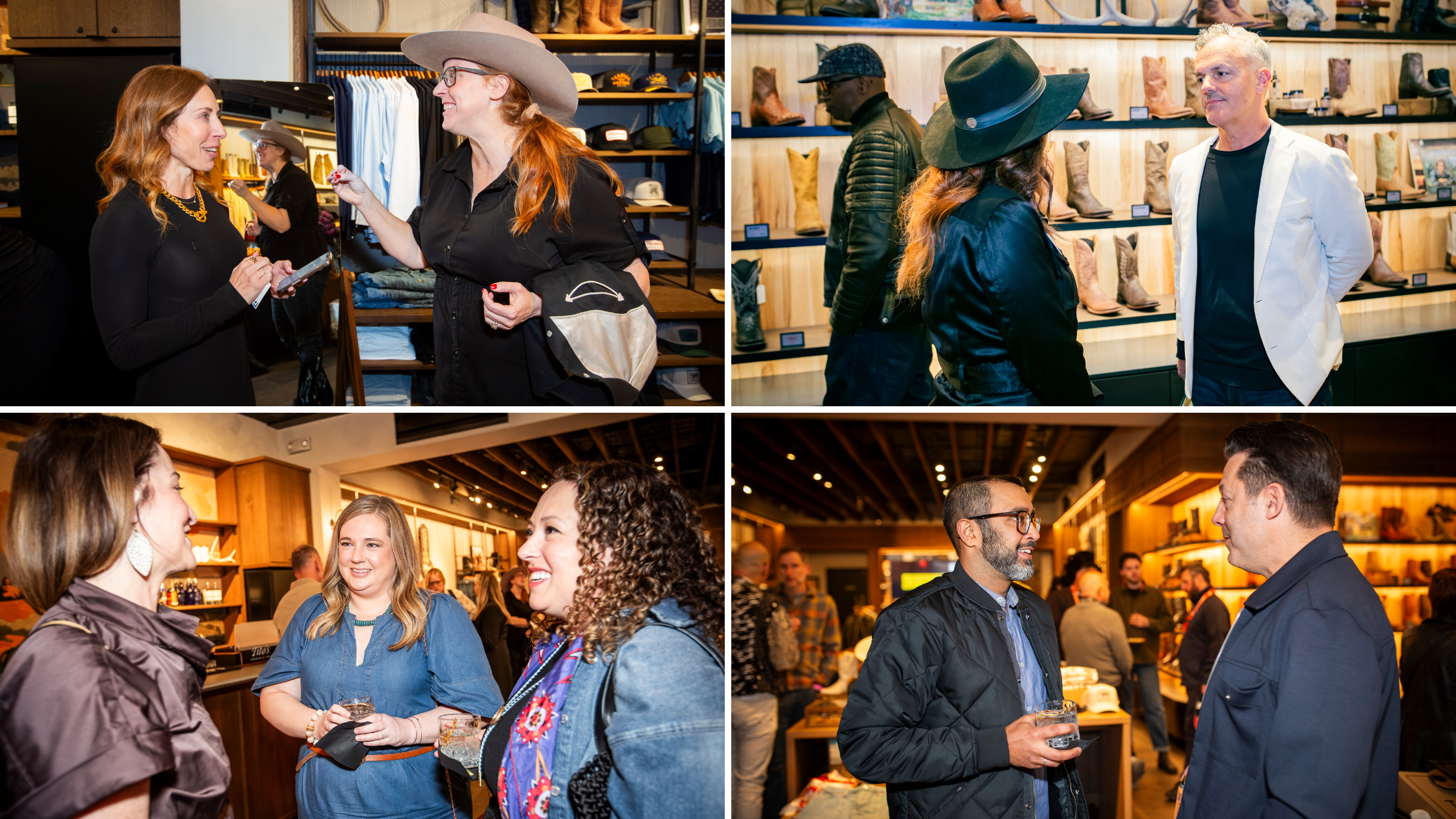
We are carrying that dynamic forward into other markets and events in the coming months, from Singapore to Cannes, where the focus remains the same – creating environments where CMOs can step away from the noise and engage in more meaningful dialogue.
When the Industry Talks Back
The research has also taken on a different dimension as it’s been discussed more publicly.
The Uncensored CMO podcast conversation between Jon Evans and Mark Ritson is a case in point. Rather than simply summarizing the findings, the episode interrogates them—placing the themes in a broader industry context and examining where they hold true, where they’re evolving, and where tensions remain.
That kind of scrutiny has been important.
It reinforces that the challenges surfaced in the research—expanding scope, increasing scrutiny, the ongoing balance between brand and performance—are not abstract observations. They are widely recognized, actively debated, and, in many cases, still unresolved.
In that sense, the research is doing what it was intended to do: not closing conversations, but opening them.
A Community Taking Shape
Alongside these moments of visibility, something quieter has been forming.
Across events, interviews, and ongoing contributions, a network of marketing leaders is beginning to take shape. Connected less by geography or sector, and more by a shared willingness to engage honestly with the realities of the role.
What distinguishes this community is not necessarily scale, but tone.
There is less emphasis on positioning and more on perspective. Less focus on definitive answers, more on shared experience. The value lies not in consensus, but in the recognition that many of the pressures facing CMOs today are collective.
As more voices contribute, whether through structured interviews, anonymous submissions, or industry events, the research continues to deepen, becoming less a report and more a reflection of an active, evolving peer network.
A Tool for Self-Reflection
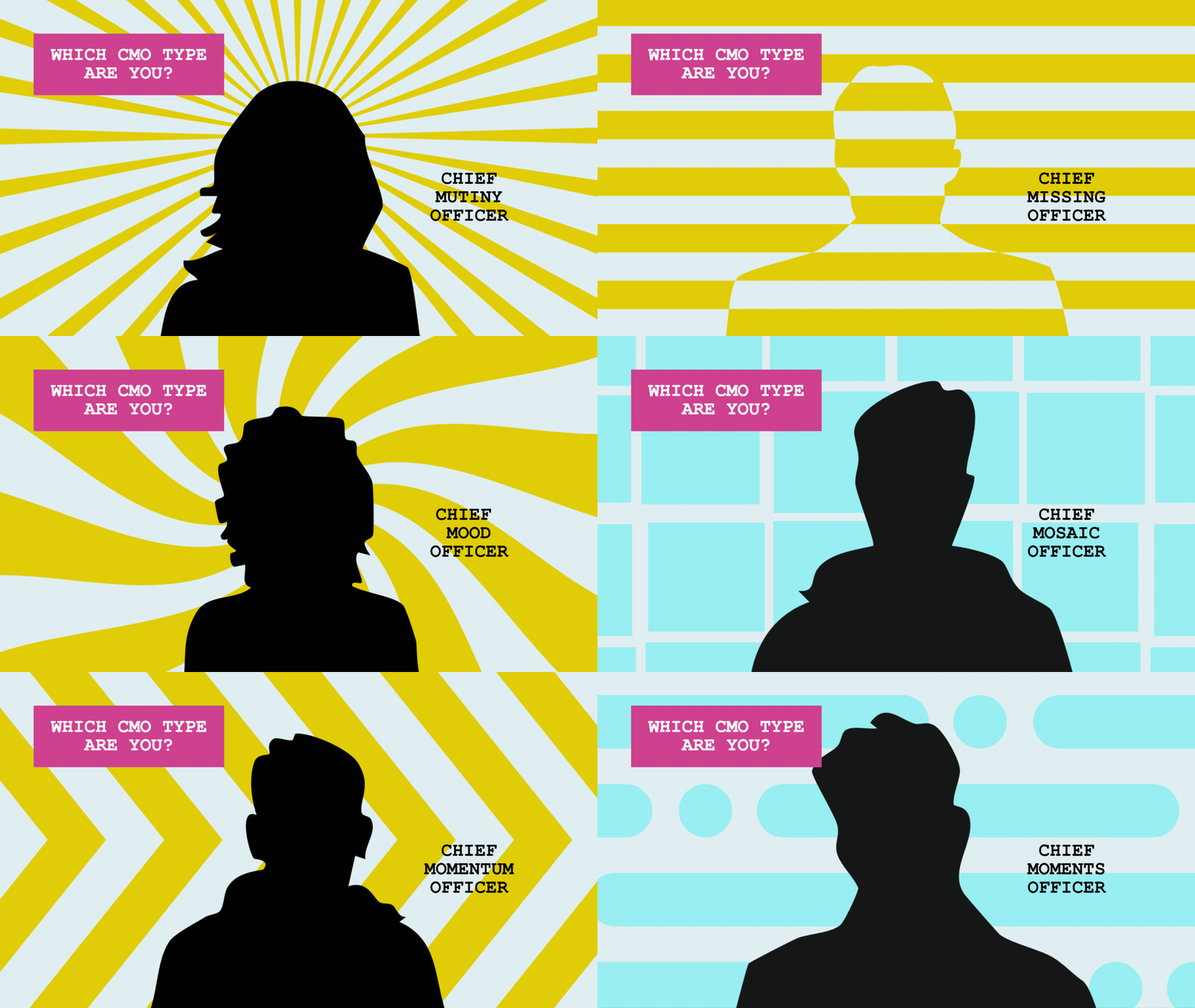
One recent extension of this thinking is a tool that reveals what type of CMO you are.
Developed by Monigle from patterns within the research, the tool offers a simple way for marketers to better understand how they approach the role. Through a short series of questions, it surfaces different “species” of CMO, each representing a distinct way of navigating similar challenges.
While intentionally light in format, the underlying insight is more serious.
Experienced marketers consistently point to the need to move between these modes. As one put it: “I am all of these, depending on the day or the meeting.” Another noted that while they may have a natural default, effectiveness comes from knowing when to shift. Leaning into one mindset with the board, another with peers, and another when driving change internally.
The value of the tool, then, isn’t in labeling. It’s in surfacing that nuance, helping CMOs understand their instinctive approach, while recognizing that success in the role increasingly depends on the ability to flex beyond it.
Continuing the Conversation
If the past five months have demonstrated anything, it is that the conditions that gave rise to Confessions of a CMO are not static. And neither is the conversation around them.
The research continues to evolve through new inputs, new perspectives, and new contexts in which it is discussed. Each event, each dialogue, each contribution adds another layer.
What remains consistent is the premise: that some of the most valuable insights in marketing today are not coming from formal presentations or polished narratives, but from the candid, unfiltered perspectives of those in the role.
For those who want to be part of that conversation (whether by a one-on-one interview or anonymous confession) it remains open at https://confessionsofacmo.com/.
Because in an environment defined by complexity and change, the most useful thing CMOs can offer each other isn’t certainty. It’s honesty.